
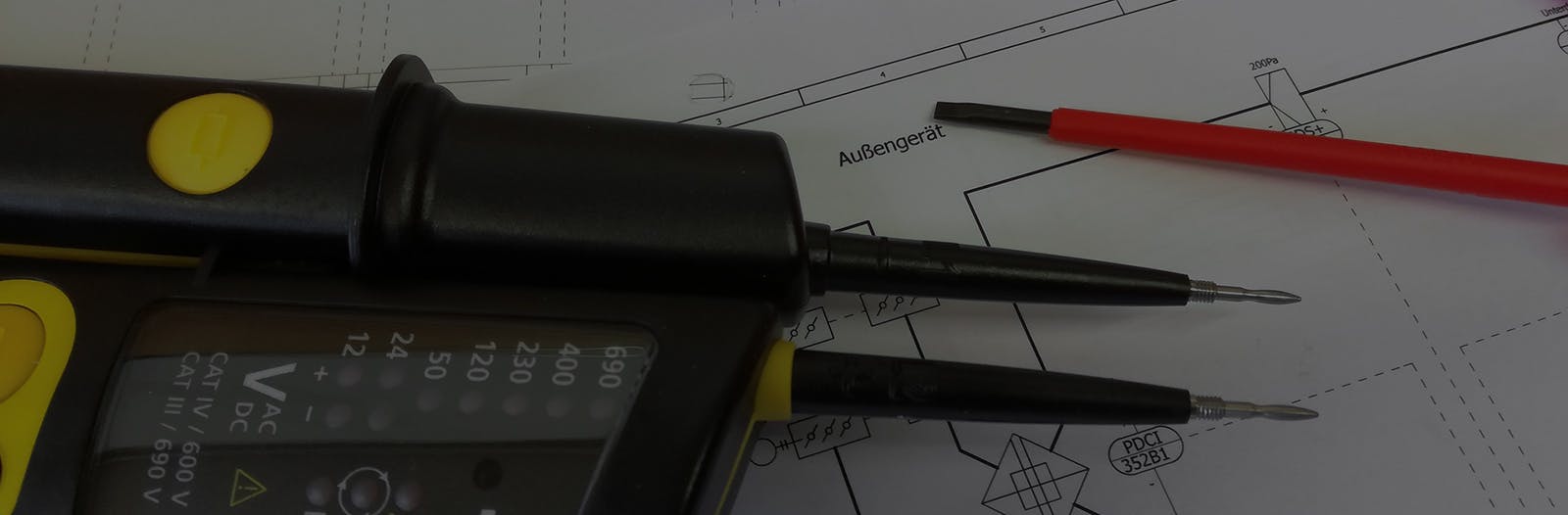
Booking an Electrical Installation Condition Report, or EICR, is one of the best ways to stay on top of electrical safety. Knowing how long it is likely to take, what happens during the visit and how to prepare will help the day run smoothly.
What an EICR actually is
An EICR is a detailed inspection of your fixed wiring, not your appliances. The electrician checks that the installation is safe for continued use and notes any issues that might need attention now or in the future.
The inspection typically covers the consumer unit (fuse board), all accessible circuits, sockets, switches, lighting, fixed equipment and your earthing and bonding arrangements. The outcome is a written report that records test results and any observations.
How long an EICR usually takes
For a typical occupied three bedroom house, most EICRs take between 3 and 4 hours. Smaller flats can sometimes be completed in around 2 hours, while larger or older properties can take most of the day.
The electrician needs time to carry out visual checks, test each circuit, complete results on the paperwork and talk you through any urgent findings. Rushing this type of work is not safe, so it is best to allow a generous time window.
Key factors that affect the time on site
No two properties are exactly the same, so the duration can vary. Some of the main things that influence how long your EICR will take include:
Property size: More rooms usually means more circuits and more testing.
Number of circuits: Larger consumer units with many ways take longer to check properly.
Age and condition: Older or altered wiring often needs more investigation.
Safe isolation: Circuits that cannot be turned off safely slow the process.
Previous paperwork: Existing certificates can help identify circuits more quickly.
If the electrician finds serious issues that need immediate attention, they may need extra time to make the installation safe before they leave.
What happens during an EICR visit
The visit usually starts with a brief discussion about your property, any known problems and how long power can be turned off. The electrician will then visually inspect the consumer unit, wiring routes, sockets, switches and other accessories they can safely access.
Next come the electrical tests. Circuits will be isolated in turn so that insulation resistance, continuity and protective devices can be checked. Expect power to drop out to different parts of the property for short periods while these tests are carried out.
At the end, the electrician will restore power, tidy up, and outline any significant findings. The full written report normally follows shortly afterwards, either digitally or on paper.
Areas that are typically inspected and tested
An EICR focuses on fixed wiring and equipment, not plug-in appliances. You can usually expect checks on:
The consumer unit, including the main switch, fuses or circuit breakers, RCDs and overall condition. Circuits supplying sockets, lighting, showers, cookers, heaters, outdoor supplies and any fixed equipment such as extract fans are also tested.
The electrician will also look at earthing and bonding, such as connections to the incoming water and gas services, and the main earth cable. Any accessible junction boxes and terminations that can be examined without damage are included.
Access needed on the day
Good access makes a big difference to how smoothly the inspection goes. The electrician will need to reach the consumer unit easily and to get to as many sockets, switches and light fittings as possible.
If you have a loft, cellar, garage or outbuildings with electrical supplies, these may need to be checked too. Make sure doors are unlocked, keys are available and any ladders or loft hatches can be safely used.
Prepare your home checklist
Spending a few minutes preparing before your appointment can save a lot of time on the day. Use this quick checklist:
Clear space around the consumer unit so the electrician can work safely.
Move furniture away from a selection of sockets and switches in each room.
Ensure access to the loft hatch, cellar and any electrical cupboards.
Unlock garages, sheds and outbuildings that have power.
Let everyone in the property know there will be power interruptions.
You may also want to plan around internet routers, alarms and any sensitive equipment that could be affected by power cuts.
Understanding EICR codes and results
Your EICR will list observations with codes that indicate how serious each issue is. This helps you and your electrician prioritise any remedial work that may be recommended.
C1 means danger is present and there is a risk of injury. The electrician should make this safe before leaving where possible. C2 means potentially dangerous and usually calls for urgent remedial work.
C3 means improvement recommended. This code does not usually make the overall outcome unsatisfactory but suggests that the installation could be brought up to a better standard. FI means further investigation is required.
The overall result of the report will be marked as either satisfactory or unsatisfactory. Generally, any C1, C2 or FI items will lead to an unsatisfactory outcome until the issues are addressed and retested.
EICR vs Electrical Installation Certificate – what is the difference?
An EICR is carried out on an existing installation to assess its condition at a point in time. It looks for deterioration, defects and non-compliances that could affect safety.
An Electrical Installation Certificate, on the other hand, is issued when new electrical work is carried out. This might be for a new circuit, a new consumer unit or a full rewire. It confirms that the work installed on that occasion has been designed, constructed and tested in line with current standards.
In practice, many properties will have both types of document over their lifetime. Certificates record new work, while EICRs provide an overview of how the whole installation is performing as it ages.
What paperwork you receive after an EICR
After the inspection you should receive a copy of the EICR itself, either by email or in hard copy. This will include details of the installation, test results for each circuit, and a list of any observations with their codes.
The report will also state the date of inspection and may suggest when the next inspection is recommended. Keep this document safe, as it can be useful for insurance purposes, when selling a property or when planning future electrical work.
Ready to book an electrical inspection?
If you would like clear, practical advice on the condition of your home or rental property, an EICR is a sensible starting point. Allow enough time for the visit, prepare good access and do not be afraid to ask questions about the findings.
To enquire about an electrical inspection with J. Durka Electrical Services, call 07977479071. You can also visit our Electrical Services page to see how we can help, or get in touch through our Contact page to arrange a convenient appointment.