
Ageing wiring can sit quietly behind walls for years, then start causing small issues that feel easy to ignore. In older homes, those early signs often point to wear in cables, loose connections, or a system that was never designed for today’s electrical demand. Knowing what to look out for helps you act sooner, keep the property safe, and avoid repeated faults that disrupt daily life.
Electrical safety checks that help you spot ageing wiring early
The most common warning signs tend to show up through everyday use, especially when you start relying on more appliances, chargers, and higher powered equipment. Older wiring may still work, but it can struggle under load, and deterioration can create heat or intermittent faults. If you notice a pattern rather than a one off issue, it is worth taking seriously.
Flickering lights and dimming when appliances switch on
If lights flicker, pulse, or dim when the kettle, oven, or washing machine starts, it can point to overloaded circuits or loose connections. Sometimes it is a single fitting, but if it happens across multiple rooms, it can suggest a wider issue with wiring condition or distribution. This is especially relevant in older homes where circuits were designed for lower demand.
Frequent tripping or blown fuses
A consumer unit that trips regularly is often reacting to a fault, an overloaded circuit, or deteriorating insulation somewhere on the circuit. Occasional tripping can happen, but repeated trips from normal use should never be dismissed. In older properties, this can also be linked to outdated protective devices that no longer suit how the home is used today.
Warm sockets, switches, or faceplates
Sockets and switches should not feel warm in normal use. Heat often indicates loose terminals, damaged accessories, or arcing behind the faceplate, which can become a serious risk over time. Discolouration, scorching marks, or a faint burning smell around fittings are strong warning signs that need attention.
Buzzing, crackling, or sizzling sounds
Unusual noises from sockets, switches, light fittings, or the consumer unit can indicate loose connections or failing components. These sounds are not normal and can be linked to overheating or arcing. If you hear crackling or smell burning, stop using the affected circuit and arrange an inspection quickly.
Loose fittings and inconsistent power
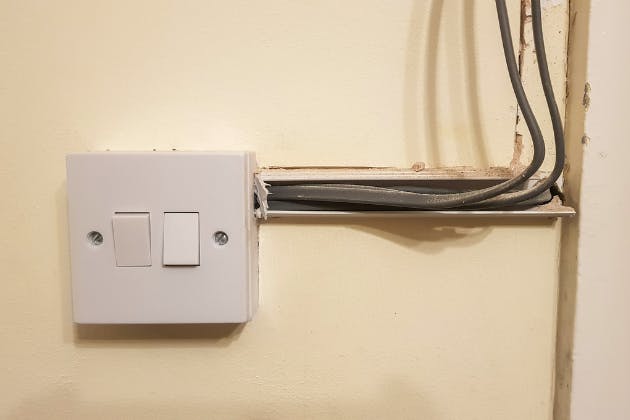
If plugs feel loose, switches wobble, or certain sockets work only sometimes, it can suggest worn accessories or connections that are not secure. Intermittent faults are common in ageing systems because connections can expand and contract with heat, causing on and off behaviour. Even if it seems minor, it can be a sign that parts of the system are past their best.
Outdated fuse boards and limited protection
Older fuse boards may not provide the modern safety protection expected in homes today. If your home still has an older style fuse box, it may lack protection that helps reduce risk from faults. Upgrading to a modern consumer unit is often part of improving safety and reliability, especially if other signs of ageing wiring are present.
Not enough sockets and constant use of extensions
Older homes often have fewer sockets because electrical demand used to be lower. If you rely heavily on extension leads and adaptors, circuits can become overloaded more easily and accessories can run hotter than intended. While extra sockets can be added without a full rewire in some cases, ongoing reliance on extensions is a useful sign that your system may need updating.
Quick signs to take seriously
- Lights flicker or dim in multiple rooms
- Circuits trip often during normal use
- Sockets or switches feel warm or look discoloured
- Buzzing or crackling from fittings or the consumer unit
- Plugs and switches feel loose or unreliable
- Extension leads are used everywhere due to limited sockets
When an inspection is the sensible next step
If your home is older and has not been checked in many years, an electrical inspection can confirm what condition the wiring is in and whether upgrades are needed. This is also a smart step if you are planning renovations, adding new appliances, or considering modern additions like EV charging. A qualified electrician can advise whether you need targeted improvements or a broader solution.
What happens if rewiring is recommended
Not every older home needs a full rewire straight away, but when wiring is deteriorating across multiple circuits, rewiring becomes the safest long term option. A rewire typically includes replacing old cables, updating sockets and switches, and fitting a modern consumer unit where required. The result is a safer system with better capacity for modern living.
Looking for electrical rewiring in Bromley, Beckenham and Chislehurst
If you are concerned about the condition of your electrics, J. Durka Electrical Services can help with checks, upgrades, and electrical rewiring. To speak with our experienced electricians in Bromley, Beckenham and Chislehurst, call 07977479071 or fill out the contact form to arrange a consultation.